
Is Your Ceramic Coating Still Working? What to Look for After a Carolina Summer
If your vehicle has a ceramic coating and you’ve noticed that water isn’t beading quite like it used to, you may be wondering if the coating has already worn off.
Not necessarily.
By the end of a Carolina summer, we see plenty of coated vehicles with paint that doesn’t behave the way the owner expects. Months of heat, thunderstorms, pollen, road grime, tree sap, bugs, sprinkler water and regular driving can leave contamination sitting on top of the coating.
In many cases, the ceramic coating is still there. It just needs to be properly cleaned and maintained.
At Absolute Precision Custom Detailing, that’s one of the things we look at when we’re evaluating a coated vehicle. Before assuming a coating has failed, we want to understand what’s actually happening on the surface.
Why Your Ceramic Coating May Stop Beading Like It Used To
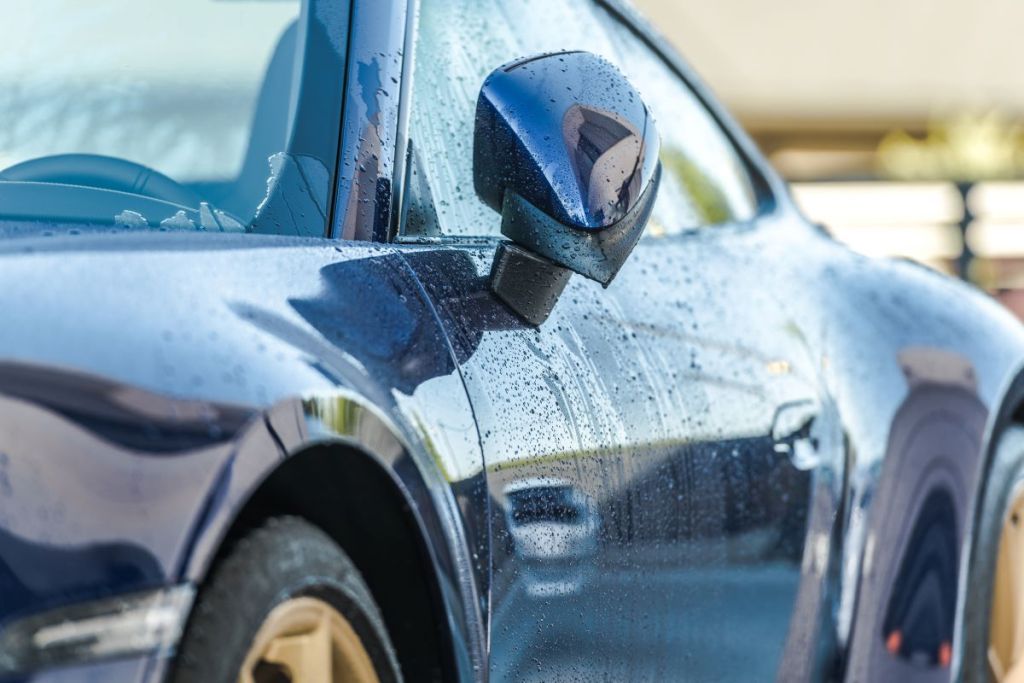
Water behavior is one of the easiest things for vehicle owners to notice after having a ceramic coating installed.
When a coating is clean and performing well, water typically beads up or moves off the surface more easily. So when that behavior starts changing, it’s understandable to think something is wrong.
But ceramic coatings don’t stay perfectly clean just because they’re ceramic coated.
Over time, the surface can collect:
- Road film and traffic grime
- Mineral deposits from hard water
- Pollen and environmental fallout
- Bug residue
- Tree sap and organic contamination
- Oils and other residue
That contamination can interfere with the hydrophobic properties you normally see from the coating.
In other words, you may be looking at what’s on top of the coating, rather than a problem with the coating itself.
Carolina Summers Can Be Tough on a Coated Vehicle
Here around Charlotte, Fort Mill and the surrounding communities, summer brings a pretty challenging combination for vehicle finishes.
We have intense sun and heat. We have sudden thunderstorms followed by sunshine that dries water quickly on the paint. Vehicles parked outside may be exposed to sprinklers and irrigation systems. Tree-lined neighborhoods can mean sap, pollen and bird droppings. Highway driving adds bugs, tar and road grime.
A ceramic coating helps protect the underlying finish and makes the vehicle easier to maintain, but it isn’t an invisible force field.
Contaminants still need to be removed.
That’s an important distinction because sometimes people are disappointed when a coated vehicle gets dirty, develops water spots or stops beading aggressively. None of those things automatically mean the coating didn’t work.
Ceramic coatings still require maintenance.
Water Spots Are Especially Important to Watch
One issue we pay particular attention to during the summer is hard water.
When water evaporates, the water itself disappears but the minerals in it can remain behind. That’s what creates those familiar spots you may see across the paint or glass.
Sprinklers and irrigation systems can be particularly problematic because a vehicle may get hit repeatedly without the owner realizing it.
A ceramic coating can provide an additional layer between those deposits and your vehicle’s clear coat, but that doesn’t mean mineral deposits should be allowed to sit indefinitely.
If you notice water spots on a coated vehicle, don’t assume you need to scrub harder or reach for an aggressive product. The right approach depends on how severe the deposits are and how long they’ve been sitting.
Does Poor Water Beading Mean the Coating Failed?
No. Water beading alone isn’t enough to diagnose a failed ceramic coating.
If we’re evaluating a coated vehicle, we want to look at the overall condition of the surface.
Has the vehicle been properly washed?
Is there obvious mineral buildup?
Does the paint feel contaminated?
Has it been exposed to automatic car washes or harsh chemicals?
How old is the coating?
How has the vehicle been maintained since the coating was installed?
Those details matter.
A coating covered with road film or mineral contamination can behave very differently from a freshly cleaned coating. After a proper maintenance wash and, when necessary, appropriate decontamination, you may see much of that hydrophobic behavior return.
That’s why we don’t like jumping straight from “it’s not beading” to “the coating is gone.”
Ceramic Coating Maintenance Is Different From Starting Over
One of the advantages of having a professionally coated vehicle is that you shouldn’t necessarily need to start from scratch every time the finish needs attention.
A ceramic coating maintenance service is about safely cleaning the vehicle and addressing the contamination that has accumulated on the protected surface.
Depending on the vehicle and its condition, that may involve a thorough hand wash, attention to wheels and exterior details, removal of bonded contamination and products appropriate for the coating.
The goal isn’t to unnecessarily polish away a coating that’s still doing its job.
It’s to get the protected surface clean again and help the existing coating perform as intended.
Be Careful With DIY “Fixes”
If a ceramic-coated vehicle suddenly doesn’t look or behave the way you expect, it’s tempting to start experimenting.
This is where we recommend being careful.
Aggressive polishing, harsh chemicals and random products marketed as coating restorers aren’t always the answer. Some products may simply mask the problem temporarily, while an abrasive approach can potentially remove or compromise the protection you’re trying to preserve.
Start with the least aggressive solution that appropriately addresses the problem.
That’s the same philosophy we use when working on a customer’s vehicle. We want to preserve good paint and existing protection whenever possible rather than doing more correction than the vehicle actually needs.
When Should You Have Your Ceramic Coating Checked?
There’s no single schedule that works for every vehicle.
A garage-kept weekend car isn’t exposed to the same conditions as a daily driver that sits outside at work every day. A vehicle regularly parked near sprinklers has different maintenance needs than one stored indoors. The way you wash the vehicle matters, too.
However, if you’re noticing any of the following, it’s worth taking a closer look:
- Water behavior has changed significantly
- The finish feels rough instead of smooth
- Water spots are becoming noticeable
- Bugs, sap or other contamination aren’t coming off easily
- The vehicle has lost some of the gloss or slickness you remember
- You’re simply unsure whether you’re maintaining the coating correctly
Sometimes the answer is straightforward maintenance. Other times we may find an issue that needs more attention.
The important thing is figuring out which one you’re dealing with before throwing products or aggressive correction at the paint.
Protecting Your Investment Beyond the Initial Ceramic Coating
We install ceramic coatings because they can provide excellent long-term protection and make maintaining a vehicle easier. But the installation isn’t the end of the story.
How the vehicle is washed, where it’s parked, what it’s exposed to and how quickly contamination is addressed all affect how the finish looks over time.
Late summer is a good time to take stock of that.
If your vehicle has spent the past several months dealing with Carolina heat, hard water, bugs, road trips, tree sap and afternoon thunderstorms, don’t automatically assume your ceramic coating is failing because the surface isn’t behaving exactly like it did on day one.
It may simply be telling you it’s time for some maintenance.
At Absolute Precision Custom Detailing, we provide professional ceramic coating and detailing services throughout the entire Charlotte-metro area. If you’re unsure about the condition of your coating, we can evaluate the vehicle, determine what the surface actually needs and recommend the appropriate next step without doing more than necessary.
Prefer to chat first? No problem, Contact Us Here or Call us at 704-654-2042