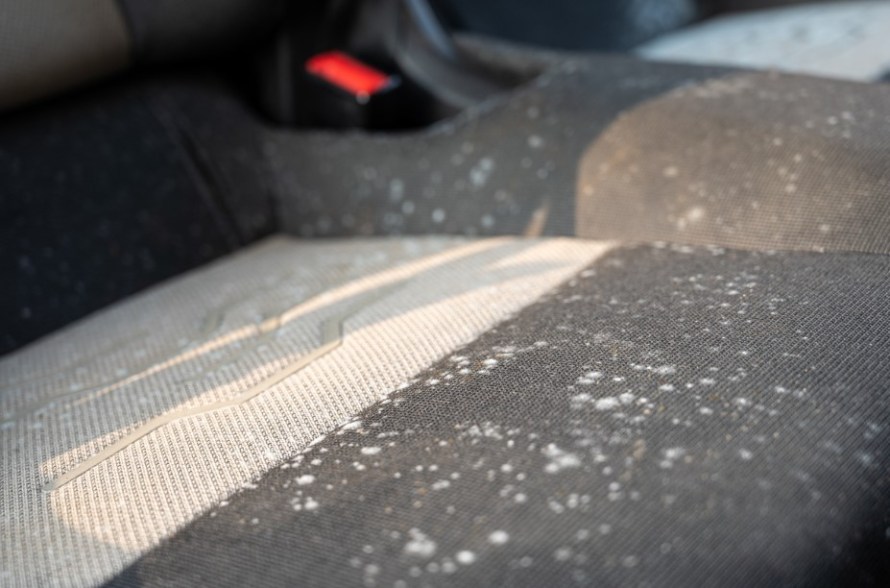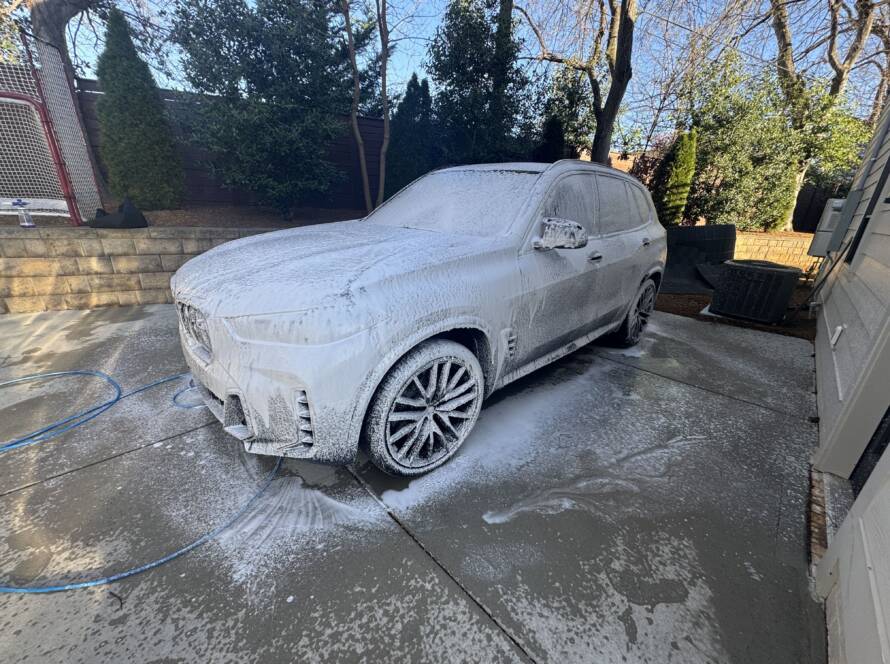

Water spots may seem like a minor cosmetic issue, but they can quickly become a serious threat to your vehicle’s exterior. They form when mineral-rich water evaporates, leaving behind stubborn deposits on your paint, glass, and trim. In areas like Charlotte, NC—where hard water, pollen, and changing climate conditions are common—these spots form faster and are harder to remove.
If left untreated, water spots can etch into the surface, causing permanent marks that no regular wash can fix. Over time, these deposits can degrade the clear coat, create hazy glass, and tarnish polished trim. At APC Detailing, we not only remove water spots but also help you prevent them, using proven techniques and high-grade products designed for long-lasting protection.
Understanding Water Spots and Their Causes
Water spots are mineral deposits or contaminants that bond to your vehicle’s surface after water droplets dry. There are three main types:
- Mineral deposits (hard water spots): Caused by calcium and magnesium in tap water.
- Acid rain spots: Left behind by pollutants and chemicals in rainwater that evaporates.
- Etched spots: More severe; these occur when minerals or acidic contaminants bond so strongly that they eat into the surface.
Charlotte and the surrounding areas are particularly prone to water spots because of the region’s hard water supply, seasonal pollen, and humid climate that speeds up evaporation. Vehicles parked outdoors, washed without proper drying, or exposed to sprinklers and rain are the most vulnerable.
5 Ways to Remove Water Spots on Your Car’s Exterior
While professional removal is always safest, there are several home methods you can use if spots are fresh or mild.
1. Quick Rinse and Dry Before They Set
Time is your greatest ally in preventing water spots. The longer minerals sit on your car, the harder they are to remove. Rinse your vehicle thoroughly with clean water and immediately dry it with a clean, soft microfiber towel. Work in sections, starting from the roof down, to avoid water drying before you get to it.
2. Vinegar and Distilled Water Solution
Vinegar is acidic enough to dissolve light mineral deposits without damaging paint when used correctly. Mix equal parts white vinegar and distilled water in a spray bottle. Spray the solution directly on the affected area, let it sit for 1–2 minutes, then gently wipe with a microfiber towel. Always rinse the area with clean water afterward to neutralize the acidity.
3. Specialized Water Spot Removers
Automotive-specific water spot removers contain targeted formulas that break down mineral deposits faster than household solutions. Choose products that are pH-balanced and safe for paint, glass, and chrome. Apply as directed—usually with a microfiber applicator—and rinse thoroughly afterward.
4. Clay Bar Treatment
Clay bars are designed to remove bonded contaminants, including water spot residue, from paint and glass. Spray a dedicated clay lubricant over the affected area, then glide the clay bar gently back and forth. This process lifts embedded particles without scratching the surface when done correctly. Always inspect the clay for contamination and fold it to expose a clean section as you work.
5. Light Polishing for Etched Spots
If water spots have etched into the paint, polishing may be required. Light hand polishing can help with mild etching, while machine polishing provides more effective correction for deeper damage. Use a fine polishing compound with a foam pad, working slowly to avoid removing too much clear coat.
When to Leave It to the Professionals
Water spots that have been on your vehicle for weeks or months often require professional intervention. If you see visible etching, hazy glass, or feel roughness even after claying, it’s best to stop DIY attempts. Incorrect polishing techniques or harsh chemicals can cause more harm than good, leading to costly repairs.
APC Detailing’s Professional Water Spot Removal Service
At APC Detailing, we bring the same precision and care to water spot removal as we do to all our detailing services. Using professional-grade products and industry-approved techniques, we safely eliminate water spots while protecting your vehicle’s finish.
Our Process:
- Initial Assessment – We carefully evaluate the severity and location of water spots to determine the safest removal method.
- Thorough Wash & Decontamination – A pH-balanced wash and surface decontamination remove loose dirt and prepare the paint for treatment.
- Targeted Mineral Removal – Professional solutions dissolve stubborn deposits without damaging clear coat or paint.
- Optional Paint Correction – If water spots have etched into the surface, light polishing restores depth and clarity.
- Protection for the Future – We recommend adding a wax, sealant, or ceramic coating to lock in the shine and prevent new water spots.
Because we are fully mobile, licensed, insured, and IDA-certified, we deliver this service at your location—bringing the same high-end standards we apply to cars, trucks, boats, motorcycles, and RVs. Many clients choose to pair water spot removal with our paint correction or ceramic coating services for a true showroom finish and long-lasting protection.
Preventing Water Spots in the Future
Wash in the Shade and on Cool Panels
Heat accelerates water evaporation, leaving more deposits behind. Always wash your car in the shade and make sure the panels are cool to the touch before starting.
Use Filtered or Softened Water
Hard water is the main cause of mineral deposits. Using filtered or softened water for washing dramatically reduces spotting risk.
Dry Thoroughly with Microfiber or Car Dryers
Microfiber towels absorb water quickly and won’t scratch paint. For an even better result, use a touchless car dryer to blow water out of crevices.
Apply Protective Layers
Wax, sealants, and especially ceramic coatings create a barrier that makes it harder for minerals to bond to the paint. A ceramic coating offers the longest-lasting and most effective water spot resistance.
FAQs – Tackling Water Spots on Your Car
Will vinegar damage my car’s paint?
Not if diluted and rinsed off promptly. Vinegar is acidic, so it should never sit on paint for long.
Can water spots be removed from glass and chrome?
Yes, glass and chrome are more resistant than paint, and specialized cleaners or clay bars can restore them.
Are ceramic coatings water-spot proof?
They are water-spot resistant, not completely proof. Minerals can still sit on top, but removal is much easier.
How often should I wash my car to prevent water spots?
In Charlotte’s climate, washing once a week and drying thoroughly is ideal for minimizing water spots.