
You open the car door and smell something musty. Then you notice spotting on the carpet, seat, seat belt or another interior surface.
At that point, the concern is not only how to clean what you can see. It is whether moisture reached the carpet padding, seat foam or another area underneath it.
Mold needs moisture to grow. If it appears inside a vehicle, something became wet and remained wet long enough for growth to develop. Cleaning the visible area without correcting that moisture problem may improve the appearance temporarily, but the mold or odor can return.
Here is how to think through the problem – and where professional interior detailing may fit.
What Should You Do First?
Before applying cleaners or scheduling a detail, focus on these three steps.
1. Find the moisture source
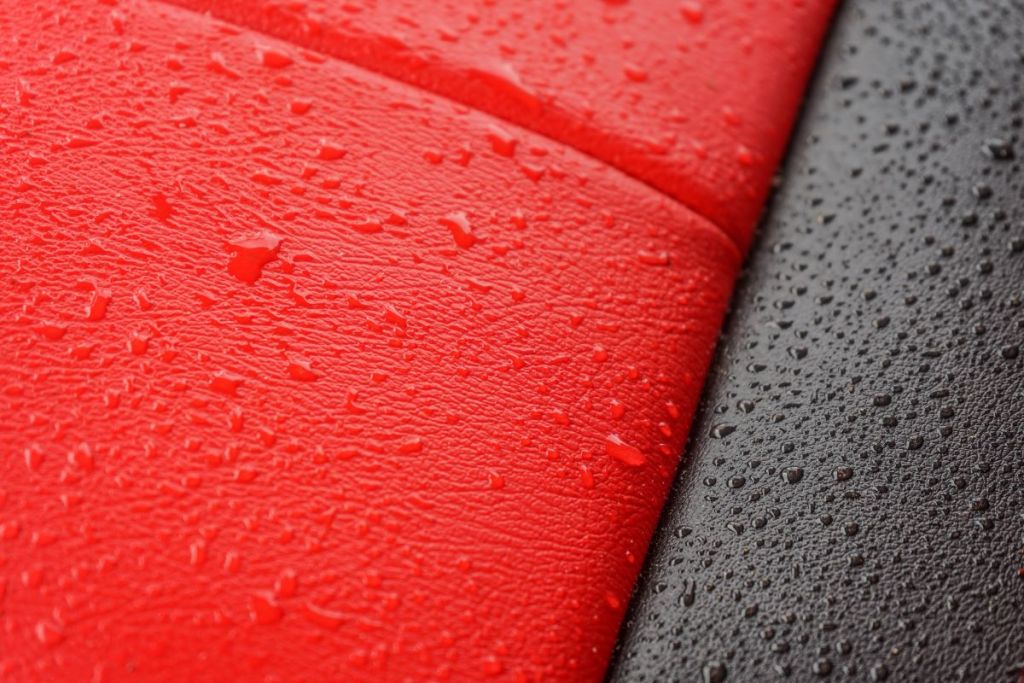
Look for the reason the interior became wet.
Common causes include:
- A leaking windshield, door or trunk seal
- Clogged sunroof drains
- Air-conditioning drainage problems
- Wet carpeting beneath a floor mat
- A drink or food spill
- Damp towels, clothing or sports equipment
- A window left open during rain
- Water collecting in the trunk or spare-tire compartment
- Storm or flood damage
If water is still entering the vehicle, the leak needs to be repaired. Interior cleaning cannot prevent mold from returning when the underlying moisture problem remains.
2. Determine how deeply the water traveled
A small spot on a hard or accessible surface is different from carpeting that stayed soaked for several days.
Press gently around the affected area and check whether nearby carpeting or padding still feels damp. Look for staining, musty odors or moisture in adjoining areas.
Do not dismantle seats, airbags, electronic components or interior panels unless you are qualified to do so.
3. Photograph the affected areas
Take clear photographs before cleaning anything. Include wide shots showing the affected portion of the vehicle and closer images showing the visible growth or staining.
These photographs can help a detailer, repair shop or other professional understand the extent of the problem before recommending a service.
Why Drying the Vehicle Matters So Much
The EPA identifies moisture control as the key to controlling mold and recommends drying wet materials within approximately 24 to 48 hours when possible. It also emphasizes fixing the water source—not simply cleaning the visible growth. Read the EPA’s guidance on mold and moisture.
That principle applies inside a vehicle, too.
A carpet surface may feel dry while the padding underneath remains wet. Closing the vehicle can trap that moisture, especially during warm, humid weather in Charlotte and the surrounding Carolinas.
If the carpet, upholstery or padding cannot be thoroughly dried, the affected material may need to be removed and evaluated.
Can Mold Be Removed From Car Carpet?
It depends on whether the problem is limited to the carpet’s surface or has reached the layers underneath it.
Automotive carpet may sit over backing, padding, insulation and the metal floor. When liquid reaches those lower layers, cleaning only the visible carpet may leave moisture and contamination underneath.
Professional cleaning may be appropriate when:
- The affected area is limited
- The water source has been corrected
- The material can be safely accessed
- The carpet and underlying areas can be thoroughly dried
- The vehicle did not experience contaminated floodwater
Replacement may be more appropriate when:
- The padding remained saturated
- Growth is widespread
- The musty odor returns after cleaning
- The material cannot be adequately accessed or dried
- Water came from a contaminated source
- The carpet or padding has deteriorated
The EPA notes that carpeting, backing and upholstered materials can be difficult to dry completely after water damage. It also stresses the importance of addressing the material underneath the visible surface. Review the EPA’s water-damage guidance.
Can Mold Be Removed From Car Seats?
Seat construction makes this another situation where the answer depends on depth.
Visible growth on an accessible surface may be treatable. Moisture that penetrated through the upholstery and into the seat foam is more complicated.
Seat foam is porous and difficult to evaluate without accessing the interior of the seat. If the foam stayed wet or contains widespread contamination, replacement may be safer and more effective than repeatedly cleaning the upholstery.
This is one reason we do not recommend assuming that a stain disappearing means the underlying problem has been solved.
Should You Try Cleaning It Yourself?
A very small amount of surface growth may look like a simple DIY cleaning project, but vehicle interiors contain many materials that can be damaged by the wrong chemical or too much moisture.
Modern vehicles may include:
- Coated or dyed leather
- Synthetic leather
- Delicate upholstery
- Suede-like materials
- Adhesives
- Touchscreens
- Electrical components
- Sensors and safety systems
Avoid saturating the interior with vinegar, bleach, alcohol or another household mixture based on a generic online recipe. A product that works on one surface may discolor or damage another, and adding too much liquid can carry contamination deeper into the material.
Aggressive brushing or ordinary vacuuming can also disturb visible growth and spread material through the cabin.
The CDC advises that mold cleanup can involve health risks. People with asthma, mold allergies, chronic lung disease or suppressed immune systems should not participate in mold cleanup. See the CDC’s mold-cleanup recommendations.
If anyone is experiencing symptoms or you are concerned about exposure, speak with an appropriate healthcare professional. A detailer cannot determine whether mold is affecting someone’s health.
When Is Professional Interior Detailing Appropriate?
Professional detailing may be appropriate after the water source has been corrected and the affected materials can be safely cleaned and dried.
Depending on the vehicle, professional interior cleaning may address:
- Accessible carpeting and upholstery
- Dirt and organic residue contributing to the problem
- Appropriate cleaning of hard interior surfaces
- Staining associated with a spill
- Buildup around trim, rails and other interior areas
- General contamination contributing to a musty smell
However, detailing cannot repair a leaking windshield, unclog a mechanical drain, restore damaged electronics or save every piece of contaminated padding and foam.
At Absolute Precision Custom Detailing, the appropriate starting point depends on the vehicle’s condition. Some vehicles may be candidates for an Interior Refresh or Interior Deep Clean. Others may need mechanical repairs or material replacement before interior detailing makes sense.
What If the Mold Is Gone but the Smell Remains?
Mold and mildew odors can remain even after visible surfaces have been addressed.
Odor can become embedded in:
- Upholstery
- Carpet padding
- Seat foam
- Headliners
- Cabin air filters
- Ventilation systems
An air freshener may overpower the smell for a few days, but it does not remove the source.
Absolute Precision Custom Detailing offers professional vehicle odor control for persistent odors, including mold and mildew odors.
Owner Jonathan is an IICRC-certified Odor Control Technician. This specialized training supports a scientific approach to identifying odor sources, selecting the correct chemistry and treating odor instead of simply masking it.
The Odor Control Treatment currently starts at $599 and requires approximately eight hours. Additional deep cleaning may be necessary when the vehicle contains heavy soil, spills or other contamination.
Cabin-air-filter replacement is also recommended before or after odor treatment because the filter may retain and recirculate odor.
When Should You Look Beyond Detailing?
Not every mold-related vehicle problem is an appropriate detailing job.
Seek additional professional evaluation when:
- The vehicle experienced flooding
- Mold is widespread throughout the cabin
- Carpet padding or seat foam remained soaked
- The leak or moisture source is still active
- Growth returns after previous cleaning
- Water may have contained sewage or another contaminant
- Mold is present inside inaccessible cavities
- The ventilation system requires mechanical service
- Interior materials are deteriorating
- Someone has health concerns related to exposure
A repair shop may need to correct the source of water intrusion. A body shop, automotive glass company or mechanical technician may also be involved, depending on where the water entered.
Contaminated carpeting, padding or foam may need replacement rather than another round of surface cleaning.
A Simple Way to Evaluate the Situation
Use these three categories as a starting point.
Limited surface concern
The area is small, the material is accessible, the moisture source is known and everything underneath is dry.
Professional interior cleaning may be appropriate.
Possible hidden contamination
The carpet remained wet, the odor is strong, growth returns or you do not know how deeply the water traveled.
The vehicle should be evaluated before choosing a detailing package.
Extensive water or mold damage
The vehicle flooded, multiple surfaces are affected, padding or foam stayed soaked, or contaminated water entered the cabin.
This may require repairs, material removal or specialized remediation beyond automotive detailing.
How to Help Prevent Mold From Returning
Once the immediate problem has been addressed, continue watching for moisture.
After heavy rain or a car wash, check the floorboards, cargo area and spare-tire compartment. Pay attention to repeated condensation, damp floor mats and musty odors.
Remove wet clothing, towels and equipment rather than leaving them in a closed vehicle. Dry spills promptly and investigate any area that becomes wet more than once.
If the same carpet or seat repeatedly feels damp, do not keep cleaning it without finding the cause. Recurring moisture almost always means something else still needs attention.
Professional Judgment Matters
For persistent odors, his IICRC Odor Control Technician certification provides additional specialized training.
Just as importantly, professional judgment includes recognizing when cleaning is appropriate and when a vehicle needs repair or material replacement first.
The goal is not to sell the most aggressive detail possible. It is to recommend the next step that makes sense for the actual condition of the vehicle.
Frequently Asked Questions
Can detailing completely remove mold from a car?
It depends on how much material is affected and how deeply the moisture penetrated. Accessible surfaces may be cleanable, while contaminated carpet padding, insulation or seat foam may require replacement.
Can APC treat mold and mildew odors?
Yes. Mold and mildew odors are among the persistent odors addressed through Absolute Precision Custom Detailing’s professional Odor Control Treatment. Additional interior cleaning may also be required.
Will shampooing the carpet remove mold?
Shampooing the visible surface will not correct an active leak or contamination in the padding beneath it. The source must be corrected, and all affected layers must be properly evaluated and dried.
Should I use bleach on mold in my car?
Do not assume household mold-cleaning instructions are appropriate for automotive materials. Bleach and other chemicals may discolor or damage upholstery, carpeting, leather, trim and surrounding components.
Why does the musty smell return after cleaning?
Odor may remain in carpet padding, upholstery, seat foam, the cabin air filter or the ventilation system. It can also return when the original moisture source has not been corrected.
Should the cabin air filter be replaced?
Cabin-air-filter replacement is recommended before or after professional odor treatment because the filter may retain and recirculate odor.
What should I send APC before scheduling?
Send photographs of the affected area and explain what caused the moisture, if known. Also disclose any flooding, active leaks, previous cleaning attempts and whether the material is still damp.
Start With an Honest Evaluation
If you discover mold or a persistent musty odor inside your vehicle, do not immediately choose a service based only on what the surface looks like.
Find and repair the moisture source first. Determine whether carpeting, padding or upholstery remained wet. Then share photographs and the vehicle’s history so the appropriate next step can be considered.
Contact Absolute Precision Custom Detailing to discuss the condition of your vehicle before booking.
This article provides general educational information. It is not medical advice, a mold inspection or a guarantee that a particular vehicle can be restored through detailing.
Experience Precision with Professional Auto Detailing
Mobile detailing services for cars, boats, and RVs, bringing expert care directly to you. Book your appointment now and give your vehicle the shine it deserves.