
Stop the Spots: Why Hard Water Stains Should Never Be Ignored
If you’ve ever washed your vehicle only to notice the same white spots staring back at you, you’re not alone.
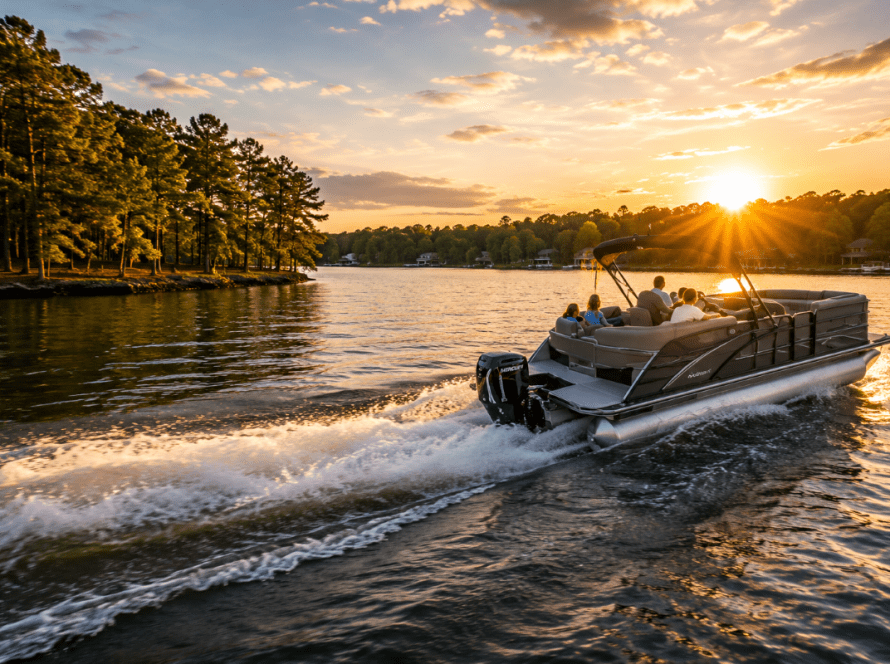
Hard water stains are one of the most common paint problems we see throughout the greater Charlotte, NC region. During the summer especially, it doesn’t take long. A sprinkler or irrigation system runs every morning, your truck sits outside at work, or you spend a weekend on the lake. The water dries, leaves behind minerals, and before long those spots seem impossible to remove.
One thing I tell customers all the time is this:
Water isn’t what damages your paint. The minerals left behind are.
The sooner you remove them, the easier the repair. Wait too long, and those same spots can permanently etch into your vehicle’s clear coat.
At Absolute Precision Custom Detailing, we’ve corrected hundreds of vehicles with water spot damage – from daily drivers to ceramic-coated vehicles to boats that spend every weekend on Lake Wylie. Every situation is a little different, which is why we never treat every water spot the same.
Not All Water Spots Are Created Equal
One of the biggest misconceptions I hear is:
“They’re just water spots. They’ll eventually wash off.”
Sometimes they will.
Many times they won’t.
What matters isn’t the size of the spot—it’s what’s in the water.
Different water sources leave behind different mineral deposits.
Around our area we commonly see:
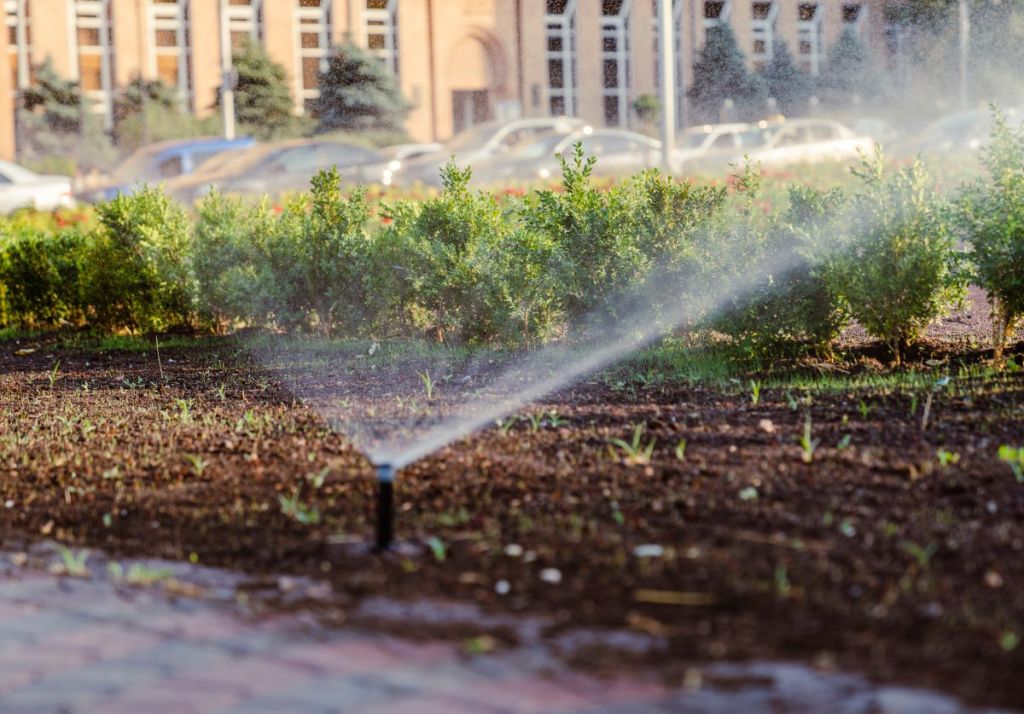
- Irrigation sprinkler systems
- Well water
- Municipal hard water
- Lake water
- Water left behind after improper washing
Once the water evaporates, minerals like calcium and magnesium stay behind. Those minerals begin bonding to the paint.
If the vehicle sits in the Carolina sun day after day, those deposits become increasingly difficult to remove.
Eventually they stop being something sitting on the paint and start becoming damage inside the clear coat.
That’s where experience matters.
The First Question We Ask Isn’t “How Do We Remove It?”
It’s “What Caused It?”
When someone brings us a vehicle with water spots, we’re not immediately reaching for a polish.
First we want to understand:
- Are these fresh mineral deposits?
- Have they already etched the clear coat?
- Are they only on the paint?
- Are they also on the glass?
- Is this coming from sprinklers, lake water, or well water?
Those answers determine how we safely remove them.
Sometimes a dedicated mineral remover is enough.
Sometimes the paint requires machine polishing.
Occasionally, severe etching requires paint correction.
Every vehicle is different.
Trying to skip that diagnosis is exactly why so many DIY attempts either don’t work—or make the finish worse.
A Customer Who Thought the Damage Was Permanent
One of my favorite parts of this job is seeing someone’s reaction when they realize the spots they thought were permanent actually weren’t.
That’s exactly what happened for Alycia.
— Alycia
Reviews like this are rewarding because they usually come from someone who had already tried multiple products before calling us.
Most water spots aren’t impossible.
They just require the right process before permanent damage occurs.
Why We Never Rush Water Spot Removal
A quick polish can sometimes make water spots look better.
That doesn’t necessarily mean they’re gone.
One thing we’ve learned over years of correcting paint is that shortcuts almost always come back to haunt you.
Removing mineral deposits safely means using the least aggressive process necessary.
If polishing is required, we’re focused on correcting the affected area while preserving as much clear coat as possible.
That’s especially important on modern vehicles, where clear coat is thinner than many owners realize.
The goal isn’t simply making the vehicle look better today.
It’s protecting the finish for years to come.
Sprinklers Are Responsible for More Damage Than People Realize
If I had to pick one culprit we see most often, it’d be irrigation systems.
Many homeowners don’t realize their sprinkler head is hitting the same section of a parked vehicle every single morning.
By the time they notice the spotting, months have gone by.
We’ve even seen situations where only one side of the vehicle was affected because that was the side facing the sprinkler.
One customer experienced exactly that.
— Patricia Cooke
When we can identify the source, we’re not just fixing today’s problem—we’re helping prevent the next one.
After the Correction Comes the Protection
Once the paint is corrected, the next conversation is usually about preventing it from happening again.
While no coating can stop minerals from landing on your vehicle, ceramic coating makes maintenance dramatically easier.
Instead of bonding directly to bare clear coat, mineral deposits sit on the coating’s sacrificial layer, making routine maintenance much simpler and reducing the likelihood of permanent etching.
We also talk with customers about simple habits that make a big difference:
- Avoid parking where irrigation systems regularly hit your vehicle.
- Rinse lake water off as soon as possible.
- Dry your vehicle after washing instead of letting it air dry.
- Don’t let water spots bake in the sun for days.
Those small changes can save a lot of correction work later.
Hard Water Spots Don’t Fix Themselves
One of the biggest mistakes we see is waiting.
Water spots rarely improve with time.
In fact, they usually become harder—and more expensive—to correct.
If you’ve started noticing white spots on your paint or glass, now is the best time to have them evaluated.
Sometimes it’s a simple mineral removal.
Sometimes it requires paint correction.
Either way, catching the problem early gives you the best chance of restoring the finish without unnecessary clear coat removal.
If you’re looking for hard water stain removal for car paint in Charlotte, NC, or anywhere throughout Fort Mill, Tega Cay, Lake Wylie, Clover, Waxhaw, Weddington, or the surrounding area, we’d be happy to take a look and give you an honest assessment.
Because around here, we’d much rather remove water spots than tell someone they waited too long.
Book Your Hard Water Stain Removal Detail Today
Prefer to chat first? No problem, Contact Us Here or Call us at 704-654-2042