Mold inside a vehicle is more than an unpleasant smell or an ugly stain. It forms when moisture lingers on organic material such as fabric, carpet backing, or seat padding. Once established, spores can spread quickly in warm, humid conditions. According to the U.S. EPA, exposure may trigger allergic reactions, respiratory irritation, or even introduce harmful mycotoxins if left unchecked.
Charlotte and the surrounding region often face high humidity and seasonal rain, making cars in this area especially vulnerable. Leaks, damp floor mats, or clogged drains provide ideal conditions for mold growth.
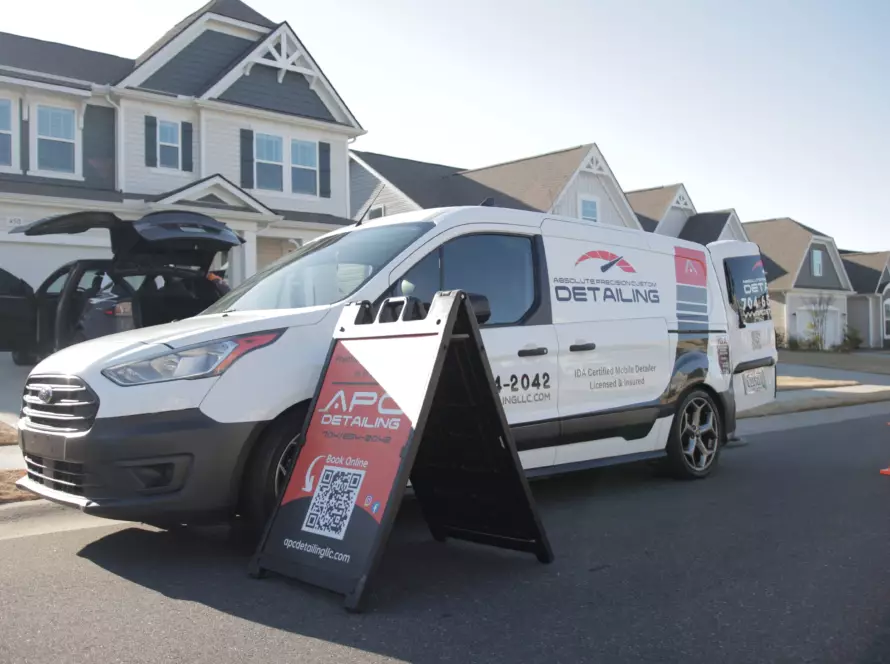
At Absolute Precision Custom Detailing (APC Detailing), we are trained and IDA-certified to handle mold safely. As a mobile service, we bring fully equipped units to your driveway or workplace, eliminating the risk of spreading spores in your home.
Spotting Mold: Signs, Sources & Severity
Mold can appear in several forms: fuzzy patches on carpets, green or black stains on seat backs, or a thin white layer on leather seams. A musty odor is often the first warning, even before visible growth. Other signs include foggy windows caused by trapped moisture and allergy-like symptoms when driving.
The sources are often hidden. Common culprits include clogged sunroof drains, worn window or door seals, damp cargo mats, or air conditioning condensation dripping under carpets. Spilled drinks and forgotten gym bags can also introduce the moisture mold needs.
Not all growth is equal. Surface mildew on leather or trim may wipe away with proper cleaners. But deep contamination in seat foam or carpet underlayment can require replacement. Understanding whether the problem is superficial or structural determines whether DIY cleaning is enough.
Safety First: PPE, Ventilation & Containment
Before touching mold, proper safety steps are essential. We always use gloves, protective eyewear, and an N95-level respirator to prevent inhaling spores. Household bleach is discouraged inside vehicles; it damages fabrics and releases harmful fumes. Safer ranges include 60?80% isopropyl alcohol or diluted vinegar.
Work in a well-ventilated area. Open doors, let fresh air circulate, and position the car in direct sunlight when possible. Sunlight and airflow help dry damp areas and reduce the chance of regrowth. Using a dehumidifier inside the car after cleaning is another effective step to lower moisture levels.
DIY Methods: From Light Growth to Moderate Issues
Fast Dry-Out and Vacuum
The first priority is removing moisture. Towels and a wet/dry vacuum can extract standing water and loose spores. Thorough drying within 24?48 hours can often stop mold from establishing deeper roots.
Vinegar Solution
A diluted vinegar solution is one of the safest household treatments. Spray lightly on affected areas, allow a short dwell time, then blot or wipe with a microfiber towel. Vinegar helps break down mineral content and disrupts mold growth, but it should not sit too long on leather or delicate fabrics.
Specialized Mold and Mildew Removers
Automotive-specific mold removers and enzyme cleaners provide more controlled results than household products. Look for pH-balanced formulas designed for carpets or upholstery. Follow dwell time instructions carefully, then neutralize and rinse the area to prevent chemical residue.
Alcohol Application
On fabrics that tolerate it, 60?80% isopropyl alcohol can sanitize mold patches. Always spot-test first to check for color fading. Apply sparingly with a spray bottle or cloth, then blot dry.
Odor Neutralization
Even after physical removal, odors may linger. Baking soda sprinkled on carpets or activated charcoal bags placed inside the cabin can absorb smells. Replacing the cabin air filter is essential to prevent spores from circulating again.
Trim and Glass Cleaning
Mold spores can cling to non-fabric surfaces, too. Clay bars, steam cleaning, or standard automotive glass cleaners remove the thin film that sometimes forms on interior plastics and windows.
Deep Contamination: Seats, Carpet & HVAC Pathways
When mold penetrates deeper, surface cleaning is not enough. Seat removal allows inspection of foam cushions. If foam or carpet padding shows mold throughout, replacement is usually more effective than cleaning.
HVAC systems can also harbor spores. Mold in the evaporator box or ducts often leads to recurring odors. Replacing the cabin filter and treating the intake vents with approved cleaners helps, but caution is needed with ozone or chlorine dioxide. These treatments can kill spores and neutralize odor, but must be handled with proper safety measures and should not substitute for physical cleaning.
When to Call a Professional
DIY methods have limits. If mold covers large areas, returns after cleaning, or causes health symptoms, professional intervention is the safer option. Flood-damaged cars, hidden leaks, or severe odor are also red flags.
Professionals use metered chemistry, steam extraction, and sectional teardown when needed. This ensures spores are removed without damaging sensitive surfaces like Alcantara, leather, or electronics.
APC Detailing: Mold Remediation the Right Way
At APC Detailing, our mold remediation process is built around safety and precision:
Inspection ? We evaluate the extent of mold and locate the moisture source.
Decontamination Wash & Extraction ? A pH-balanced wash combined with vacuum extraction removes debris and surface contaminants.
Targeted Antimicrobial Treatment ? We apply professional-grade products suited to each material, from carpet fibers to vinyl trim.
Controlled Dry-Out ? Using onboard power, we run drying and dehumidification equipment until interior humidity is safe.
Optional Replacement Guidance ? If carpet padding or seat foam is compromised, we advise replacement rather than temporary fixes.
Cabin Filter Swap & Odor Neutralization ? We replace filters and neutralize odors at their source.
Prevention Plan ? We provide clear steps to keep mold from returning.
Many clients pair mold remediation with exterior services like paint correction or ceramic coating to refresh the vehicle fully once the interior is safe and clean.