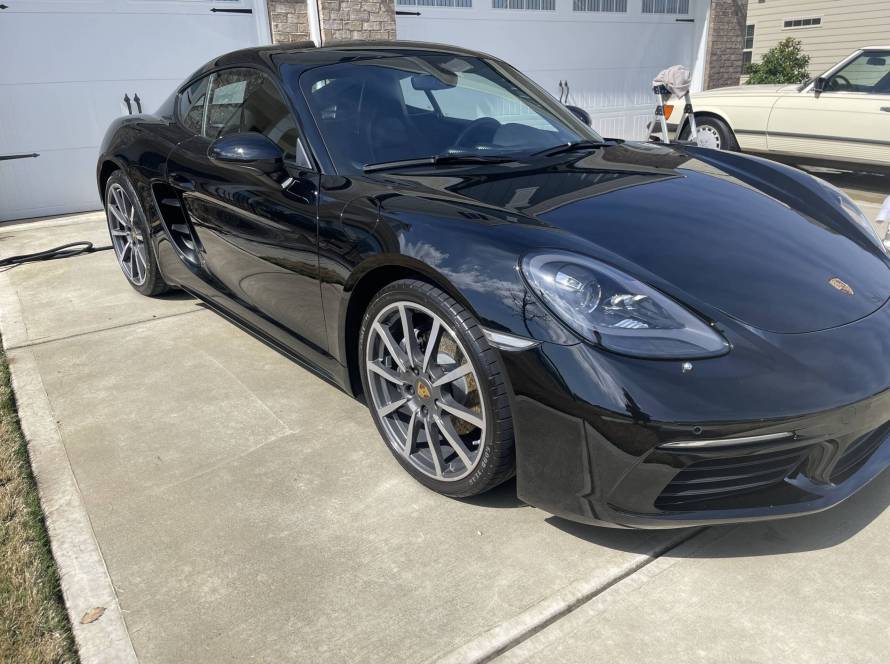

Should I Detail My Car After Snow? What Charlotte Area Drivers Need to Know
After one of the most significant snowstorms in Charlotte’s recorded history, many local drivers are asking an important question:
Should I detail my car after snow?
The answer is yes—and sooner than you might think. While the snow may already be melting, the damage caused by salt brine, repeated road treatments, and extended moisture exposure can continue long after roads look clear.
As a Charlotte-based professional detailing company, we’ve seen firsthand how storms like this take a serious toll on vehicles. Below, we’ll explain what made this storm different, how roads were treated, why that matters for your car, and how post-storm detailing helps protect your investment.
A Historic Snowstorm for the Charlotte Region
This wasn’t a typical Charlotte winter event.
On Saturday, January 31, 2026, heavy snow fell for hours across North Carolina and South Carolina, making this storm one of the most impactful winter weather events the region has seen in over a decade.
Snowfall Totals Across the Area
-
Charlotte Douglas International Airport recorded 11 inches of snow, with final totals reaching 11.4 inches
-
This ranks among the six largest snowstorms in Charlotte’s recorded history
-
Surrounding communities saw even higher totals:
-
Harrisburg: 13 inches
-
Concord, Kannapolis, China Grove, Salisbury: 12+ inches
-
Huntersville, Mooresville, Troutman: 11+ inches
-
For a region that typically sees minimal snowfall, this level of accumulation dramatically changed how roads were treated and how vehicles were exposed to corrosive materials.
How Charlotte Roads Were Treated After the Storm
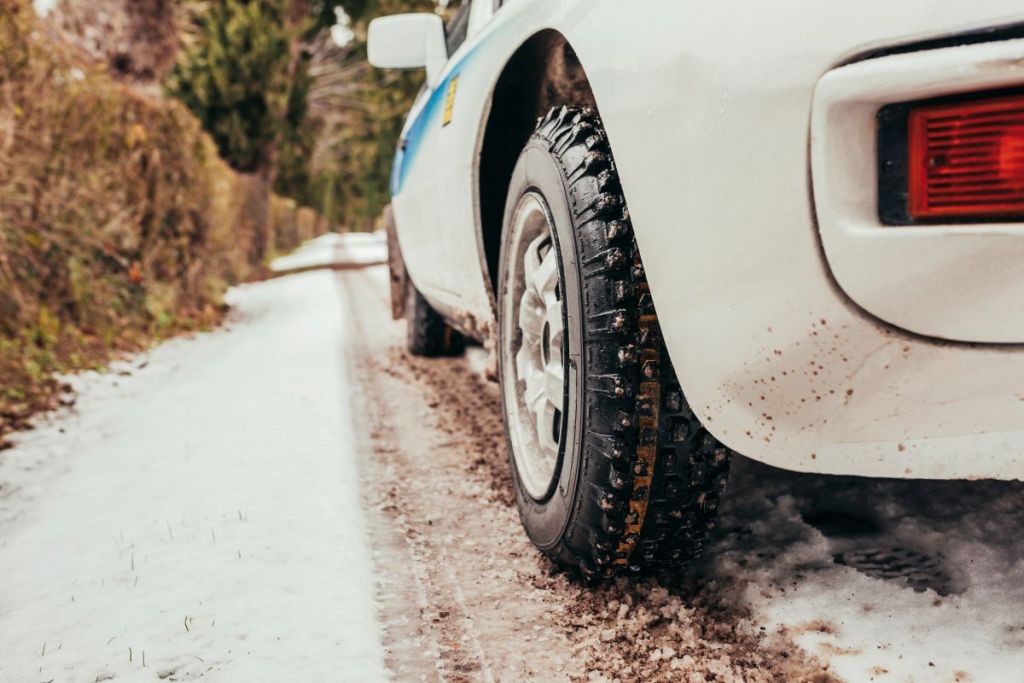
Following the storm, local and state crews worked continuously to plow, salt, and apply salt brine throughout the Charlotte metro area and surrounding counties.
However, conditions made road treatment especially challenging.
Why Salt and Brine Were Used Repeatedly
-
Early Sunday morning temperatures fell below 20°F
-
Salt and salt brine are far less effective at those temperatures
-
As temperatures slowly rose into the mid-20s and low-30s, additional applications were required
-
Heavy snowfall replaced plowed snow faster than it could be removed
The result?
Vehicles were exposed to higher-than-normal concentrations of salt and brine over multiple days.
From a detailing standpoint, that matters—a lot.
Why This Storm Was Especially Hard on Vehicles
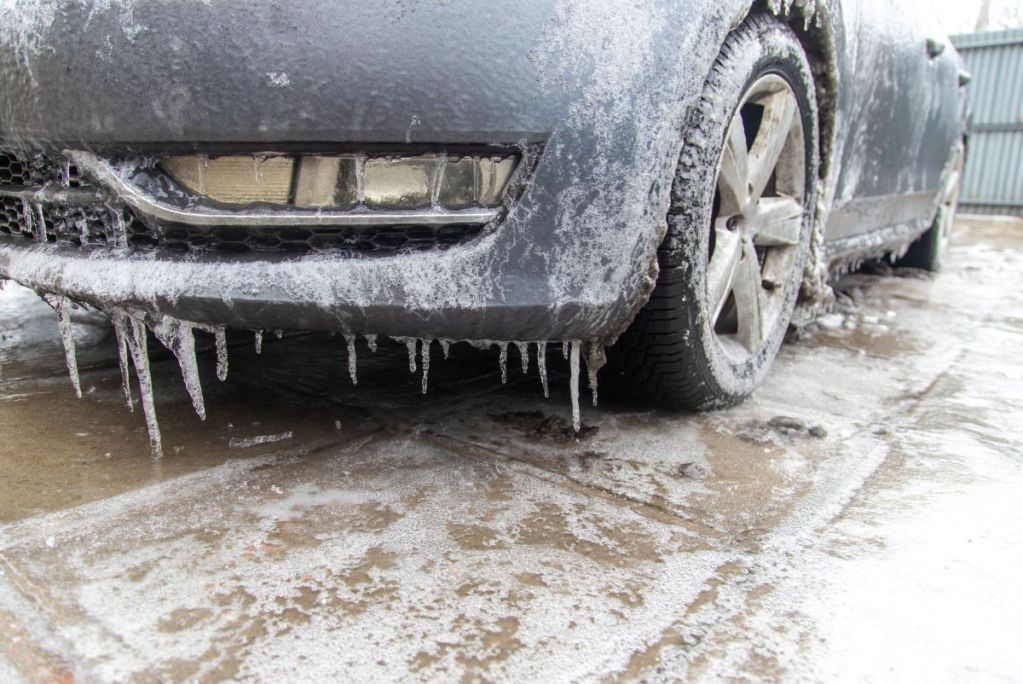
When drivers ask, “Should I detail my car after snow?”, storms like this are exactly why the answer is yes.
Because roads remained hazardous for days:
-
Snow was compacted into road surfaces
-
Salt and brine mixed with slush and moisture
-
Vehicles repeatedly drove through wet, chemically treated conditions
This combination forces corrosive material into:
-
Undercarriages
-
Wheel wells
-
Brake components
-
Suspension and exhaust parts
-
Seams and crevices that don’t dry quickly
From our experience detailing vehicles after major winter events in Charlotte, storms involving repeated road treatments cause more hidden damage than short, one-day snowfalls.
What We See Firsthand After Snowstorms Like This
After winter storms—especially historic ones—we consistently see:
-
Salt and brine buildup along the undercarriage
-
Early signs of surface corrosion on exposed metal
-
Brake dust mixed with salt residue on wheels
-
Dull or hazy paint caused by chemical fallout
-
Rubber seals and plastic trim drying out prematurely
Many of these issues aren’t immediately visible, which is why drivers often underestimate the impact.
Should I Detail My Car After Snow? The Honest Answer
Yes—especially after a storm of this magnitude.
Professional post-storm detailing helps:
-
Remove corrosive salt and brine residue
-
Clean areas standard car washes miss
-
Reduce the risk of rust and premature wear
-
Protect your vehicle’s appearance and value
If your vehicle was driven during or after this storm—even briefly—post-storm detailing is one of the smartest preventative steps you can take.
Why a Regular Car Wash Isn’t Enough After Snow
Many automatic or quick car washes:
-
Focus on visible surfaces only
-
Don’t properly clean the undercarriage
-
Lack the pressure and dwell time needed to break down salt brine
That’s why professional detailing—paired with an undercarriage pressure wash—is so important after winter weather in the Charlotte area.
Expert Insight: What Our Detailers Look for After a Storm
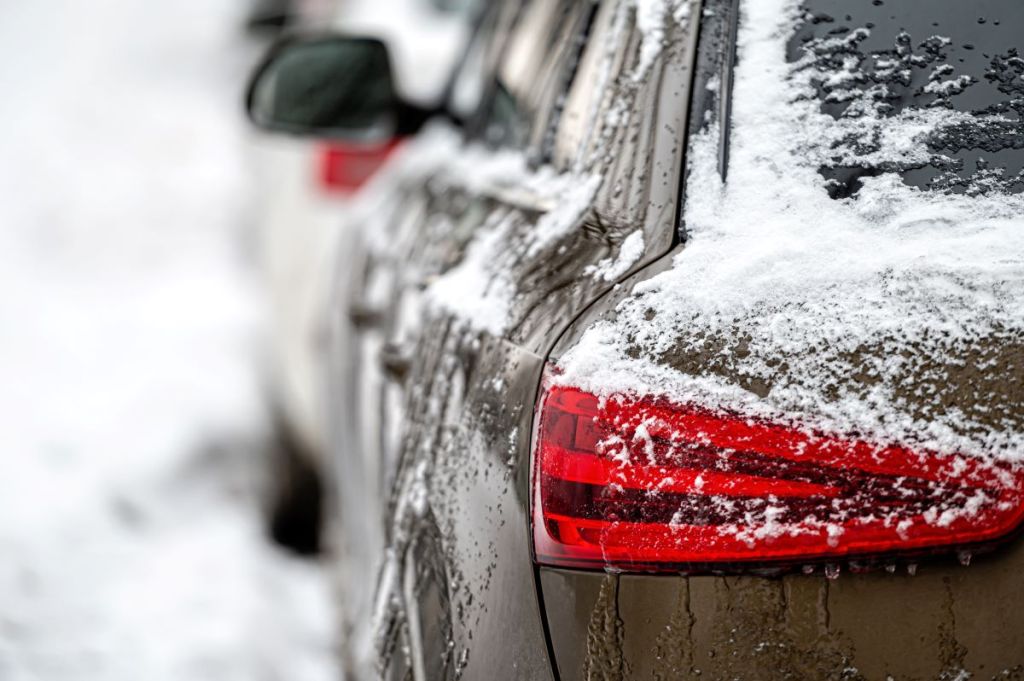
When vehicles come in after snow and ice events, our team specifically checks:
-
Frame contact points and undercarriage seams
-
Brake lines and suspension components
-
Wheel barrels and calipers
-
Rocker panels and lower door edges
-
Plastic liners where salt and slush collect
These are areas where corrosion starts first—and areas most drivers never see.
Undercarriage Wash – Protect What You Can’t See
$75 · Approximately 40 minutes
This add-on service is highly recommended after snow and ice events.
What It Removes:
-
Salt
-
Salt brine
-
Mud and slush residue
-
Corrosive road debris
Why It Matters:
✔ Helps prevent rust and corrosion
✔ Protects brake lines and suspension parts
✔ Extends vehicle lifespan
✔ Ideal after winter storms or off-road driving
For vehicles that remained garage-kept and weren’t driven during the storm, this service may not be necessary. For most Charlotte-area drivers, however, it’s one of the most effective ways to reduce long-term damage.
Why Charlotte Drivers Trust Absolute Precision Custom Detailing
At Absolute Precision Custom Detailing LLC, we tailor our services around real Charlotte driving conditions, including winter road treatments like salt brine.
We understand:
-
How local storms affect vehicles
-
Where corrosion starts
-
What post-storm detailing actually needs to address
✔ Locally owned & operated
✔ Mobile detailing available
✔ Experienced with post-storm vehicle care
✔ Focused on long-term protection, not just appearance
Final Takeaway
So—should I detail my car after snow?
After a historic storm like this, with repeated salt and brine treatments across the Charlotte region, the answer is yes. Post-storm detailing—especially with an undercarriage pressure wash—helps protect your vehicle from damage you won’t see until it’s too late.
🚘 Schedule Your Post-Storm Detailing Today
👉 https://apcdetailingllc.com/
Service Areas Include: Charlotte, NC | Waxhaw, NC | Weddington, NC | Belmont, NC | Clover, SC | Fort Mill, SC | Lake Wylie, SC | Tega Cay, SC | Rock Hill, SC
Ask about adding our Undercarriage Pressure Wash and protect what you can’t see.
Contact Us to discuss your car detailing needs.
Prefer to chat about your vehicle over phone? We’d love to discuss your car with you! Please call 704-654-2042 today.
Author
Written by the team at Absolute Precision Custom Detailing LLC, a locally owned detailing company serving the greater Charlotte, NC area. With hands-on experience in post-storm vehicle care, undercarriage cleaning, and paint protection, APC Detailing helps drivers protect their vehicles from seasonal and environmental damage year-round.
Frequently Asked Questions
Should I detail my car after snow even if it looks clean?
Yes. Salt brine residue is often invisible and typically settles underneath the vehicle.
How soon should I schedule post-storm detailing?
Ideally within 3–7 days after driving on treated roads.
Is salt brine worse than traditional road salt?
Often, yes. Salt brine sticks to surfaces, penetrates seams more easily, and stays active longer.
Does rain remove salt from my car?
No. Rain rarely cleans the undercarriage or neutralizes corrosive residue.
Does ceramic coating help with winter damage?
Yes. Ceramic coating adds a protective barrier that makes post-storm cleanup easier—but it doesn’t replace proper washing.