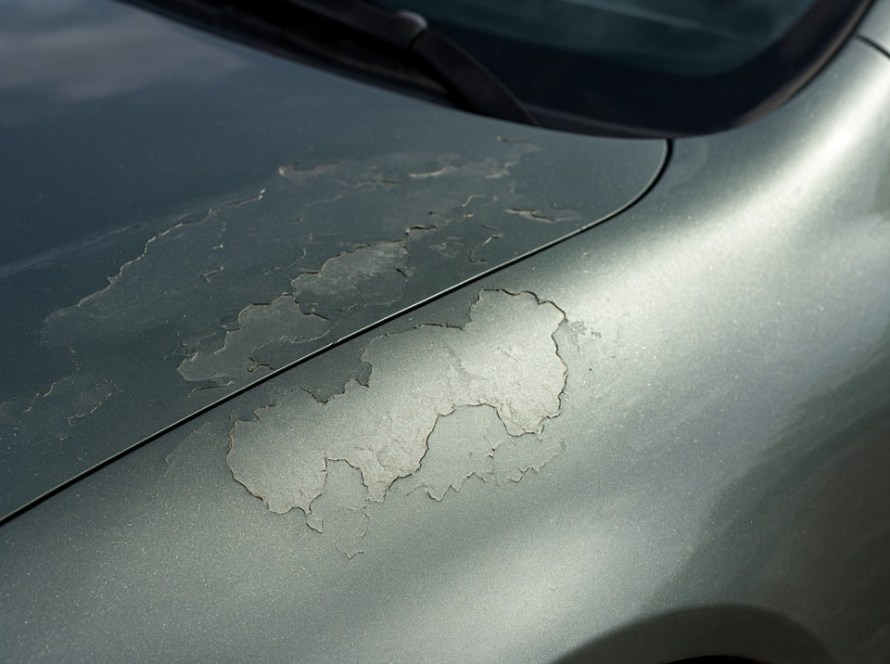

Paint correction is one of the most transformative detailing services you can do for your vehicle. Whether you’re dealing with swirl marks, oxidation, or years of environmental damage, this process can restore the gloss and clarity of your paint—without needing a full repaint.
At Absolute Precision Custom Detailing in Charlotte, NC, we’ve performed hundreds of professional paint corrections across sedans, SUVs, and exotics. This guide walks you through how paint correction works, what it solves, and when you should leave it to the pros.
What Is Paint Correction?
Paint correction is a multi-step process that removes surface imperfections from your car’s clear coat. These include swirl marks, light scratches, oxidation, and water spots. Unlike a quick polish or wax, paint correction physically removes a small layer of clear coat to level out damage and bring back a deep, smooth finish.
It’s often confused with buffing or paint enhancement, but paint correction is more advanced. It involves precision techniques and professional tools designed to fix—not hide—imperfections.
Common Paint Defects: Paint Correction Fixes
Many Charlotte-area vehicles suffer from the same issues due to climate, road grime, and improper washing. Here’s what paint correction is built to address:
- Fine swirl marks from automatic car washes
- Light to moderate scratches
- Paint dullness or haze from UV exposure
- Water spotting and bird droppings
- Light oxidation and fading
Correcting these issues restores both gloss and clarity—and preps the surface for protection like ceramic coating.
Step-by-Step Process: How to Do a Paint Correction
Paint correction is not just a one-size-fits-all polish job—it’s a detailed, systematic approach that restores your vehicle’s paintwork to its original depth and clarity. At Absolute Precision Custom Detailing, our method is built on precision, patience, and professional-grade tools. Here’s a deep dive into each step we follow to ensure top-tier results:
Step 1: Thorough Wash and Decontamination
Before any paint correction work can begin, we remove every trace of surface contamination. We start with a pH-balanced foam bath and a two-bucket hand wash using deionized water to prevent water spots. This ensures dirt, road grime, and other particles don’t interfere with polishing or cause micro-scratches.
Next comes chemical decontamination using an iron remover, which breaks down embedded ferrous particles like brake dust and rail dust that regular washing can’t remove. Finally, we perform mechanical decontamination using a clay bar or clay towel to lift stubborn contaminants like tree sap, tar, and overspray from the paint surface.
This leaves the paint as smooth as glass—ready for correction.
Step 2: Masking, Trim, and Sensitive Surfaces
We take the extra time to carefully tape off vulnerable areas like rubber seals, badges, plastic trim, and matte finishes. This protects these components from getting stained or damaged during the machine polishing process and ensures a cleaner, more professional result.
Step 3: Paint Inspection and Thickness Measurement
No two cars are the same, which is why we assess the paint before we correct it. Using high-powered LED inspection lights, we highlight imperfections like swirl marks, hazing, scratches, and etching.
We also use a digital paint thickness gauge to measure how much clear coat is available for correction. This step is essential to avoid over-polishing thin areas, especially on vehicles that have been corrected before.
This inspection informs our pad and polish combo—and lets us create a correction plan tailored to your car’s condition.
Step 4: Test Spot and Product Selection
Before we touch the full panel, we always start with a test spot. This tells us how the paint responds to a specific polish, pad, and machine speed combination. Some paints (especially those on European or luxury cars) are harder and require more aggressive compounds, while softer Japanese or domestic paints need a gentler approach.
Once we find the right combination, we replicate that process across the entire vehicle for consistent correction.
Step 5: Paint Correction Stages (Cutting and Polishing)
Depending on the paint’s condition, we’ll perform either a single-stage, two-stage, or multi-stage correction.
- Cutting Stage: This is where we remove the majority of defects. Using a cutting compound and a microfiber or wool pad on a dual-action polisher, we eliminate oxidation, swirl marks, and light scratches by removing a controlled layer of the clear coat.
- Polishing Stage: After cutting, we switch to a refining polish and foam pad to eliminate haze and bring out the shine. This is where gloss and depth return, leaving a mirror-like finish.
Heavily damaged paint may require a third stage—a finishing polish with ultra-fine abrasives to extract the last bit of clarity and precision.
Step 6: Spot Repairs for Deeper Imperfections
If a panel has isolated damage—like deeper scratches or small rock chips—we may perform localized repairs. This can include wet sanding or applying touch-up paint to rebuild the clear coat or color base before refining it.
These repairs are advanced and require a delicate balance between precision and caution, which is why they’re best handled by professionals.
Step 7: Final Polish and Surface Refinement
Even after the cutting and polishing steps, we perform a final pass using a finishing pad and ultra-fine polish. This enhances the gloss, clarity, and surface uniformity, eliminating any micro-marring left behind from previous steps.
This final polish is especially important on darker vehicles, where any haze or imperfection stands out more easily.
Step 8: Surface Prep for Protection
Once the correction is complete, we use an alcohol-based surface prep spray to remove polishing oils and ensure a bare, clean surface. This is critical before applying a protective layer like ceramic coating or paint sealant—it ensures proper bonding and long-lasting results.
Step 9: Protection Application
The corrected surface is vulnerable and needs to be sealed immediately. Depending on your preference, we apply:
- Carnauba Wax: Temporary gloss and protection (lasts a few weeks).
- Paint Sealant: Synthetic protection that lasts up to six months.
- Ceramic Coating: Long-term protection with enhanced hydrophobicity, UV resistance, and durability (up to 5+ years with our premium packages).
Ceramic coating is the most popular choice in Charlotte due to the city’s fluctuating weather and high pollen exposure.
Step 10: Final Inspection and Delivery
Finally, we do a full walkaround under different lighting conditions—natural light, LED inspection lamps, and shop lighting—to make sure the finish meets our standard. Only after we’re confident with the results do we return the keys to the owner.
At Absolute Precision Custom Detailing, we treat every paint correction as if it’s going to be judged at a car show. And for many of our clients, that’s exactly the goal.
Optional: Deep Scratch and Chip Repair
For deeper scratches or rock chips, paint correction alone may not be enough. Wet sanding and touch-up paint may be required. Apply color-matched paint to the damaged area, allow it to dry, then wet sand and polish it flat. These advanced repairs should be done carefully—or left to professionals.
Don’t Forget: Seal It After Correction
Once the correction is complete, the surface is vulnerable. Applying protection is critical.
You can use:
- Carnauba wax for short-term gloss
- Paint sealant for 4–6 months of durability
- Ceramic coating for 1–5 years of hydrophobic protection
At APC Detailing, we often recommend adding a ceramic coating right after paint correction to preserve the finish long-term—especially in Charlotte’s heat, pollen, and unpredictable weather.
DIY vs Professional Paint Correction
While enthusiasts can do light correction at home, there’s a big learning curve—and risk. Misusing a machine polisher or applying too much pressure can burn through the clear coat or leave holograms.
Professionals like us at Absolute Precision Custom Detailing bring experience, high-end polishers, paint thickness gauges, and years of training. We’ve corrected thousands of paint jobs across Charlotte and nearby areas like Belmont, Waxhaw, and Gastonia.
What Does Paint Correction Cost in Charlotte, NC?
Prices vary depending on how many stages are needed and the vehicle’s size and condition:
- Single-stage correction: $300–$600
- Two-stage correction: $600–$1200
- Multi-stage with ceramic coating: $1000–$2000+
Large trucks, SUVs, or heavily oxidized vehicles require more time and labor.
Why Choose APC Detailing for Paint Correction?
We’re not just detailers—we’re paint correction specialists. Our team uses top-tier compounds, professional-grade machines, and precise inspection tools. Whether you’re prepping a show car or restoring a daily driver, we bring results that turn heads and protect your investment.
And if you’re in Charlotte, we can even bring our mobile paint correction service directly to your driveway.
FAQs About Paint Correction
How long does paint correction last?
If properly protected, a corrected finish can last for years. We recommend pairing it with a ceramic coating.
Is it the same as buffing?
No. Buffing is often a general term. Paint correction is a specific, multi-step process designed to remove defects, not just hide them.
Can it fix all scratches?
Only light to moderate scratches in the clear coat can be corrected. Deeper scratches into the base coat may require touch-up or repainting.
Can I do it myself?
You can—but there’s risk. One wrong move can damage your paint. DIY is best for light polishing, while deeper correction should be left to professionals.
Will a ceramic coating protect the correction work?
Absolutely. Ceramic coatings lock in the corrected finish and make maintenance easier, with water-beading and UV protection benefits.
Final Thoughts
Paint correction isn’t just for car shows. It’s the foundation of real paint restoration and one of the most valuable detailing services available today.
Whether you’re looking to restore an aging finish, boost resale value, or prep for ceramic coating, paint correction can transform your vehicle’s look and feel.
For expert-level paint correction in Charlotte, NC—done right the first time—book your appointment with Absolute Precision Custom Detailing today.