
Why Car Seat Stains Are Tricky
If you’ve ever tried to scrub out a stain in your car and somehow made it worse, you’re not alone. Many drivers grab whatever household cleaner they can find, only to end up damaging their upholstery or locking the stain in for good. Car seat stains aren’t all the same, and treating them with the wrong product or method can cause permanent discoloration, odors, or fabric breakdown.
The good news? Cleaning car seat stains can be fast and easy when you know what type of stain you’re dealing with and which products to use. In this guide, we’ll cover the four most common types of car stains, how to safely remove them, and what not to do.
By the end, you’ll not only know how to tackle stains yourself, but also when it’s best to call in a professional detailer like Absolute Precision Custom Detailing, the Carolinas’ specialists in safe, effective stain removal.
Step 1: Identify the Type of Stain
Not all car seat stains are created equal. Coffee, blood, grease, and ink all behave differently when they come into contact with car upholstery. The first step to successful stain removal is identifying the stain correctly.
Why does this matter? Because using the wrong cleaner could permanently set the stain. For example:
-
Using steam too early on a coffee spill can lock it into fabric.
-
Scrubbing at blood with hot water can “cook” the stain in place.
-
Water-based cleaners on greasy food stains will just smear them around.
So before you reach for a spray bottle, stop and think: What caused this stain?
Stain Type #1: Tannin Stains (Coffee, Tea, Soda)
One of the most common culprits in car seat stains is tannins—the natural compounds found in drinks like coffee, tea, and soda.
How to Remove Tannin Stains
-
Blot (don’t scrub) the stain gently with a tannin-specific or pH-balanced cleaner such as Brown Out.
-
Use a clean microfiber cloth to lift the stain gradually.
-
Repeat until the stain fades.
What to Avoid
-
Alkaline cleaners – they can chemically bond tannins to the fabric.
-
Steam too early – heat sets the stain deeper.
Tannin stains are time-sensitive. The sooner you treat them, the easier they are to remove. Wait too long, and they can dye the upholstery permanently.
Stain Type #2: Protein Stains (Milk, Yogurt, Blood)
Protein stains are another frequent offender, especially if you have kids. Think spilled milk, yogurt, or even blood from a small cut.
How to Remove Protein Stains
-
Use an enzyme cleaner—these break down organic matter at a molecular level.
-
Blot gently and allow the cleaner to work for several minutes.
-
Rinse with a damp microfiber cloth and dry with a towel.
What to Avoid
-
Hot water or scrubbing – this can literally cook the proteins, just like eggs on a pan, making the stain permanent.
Enzyme cleaners are your best friend here. They not only remove the stain but also eliminate odors.
Stain Type #3: Oil-Based Stains (Grease, Lotion, Sunscreen)
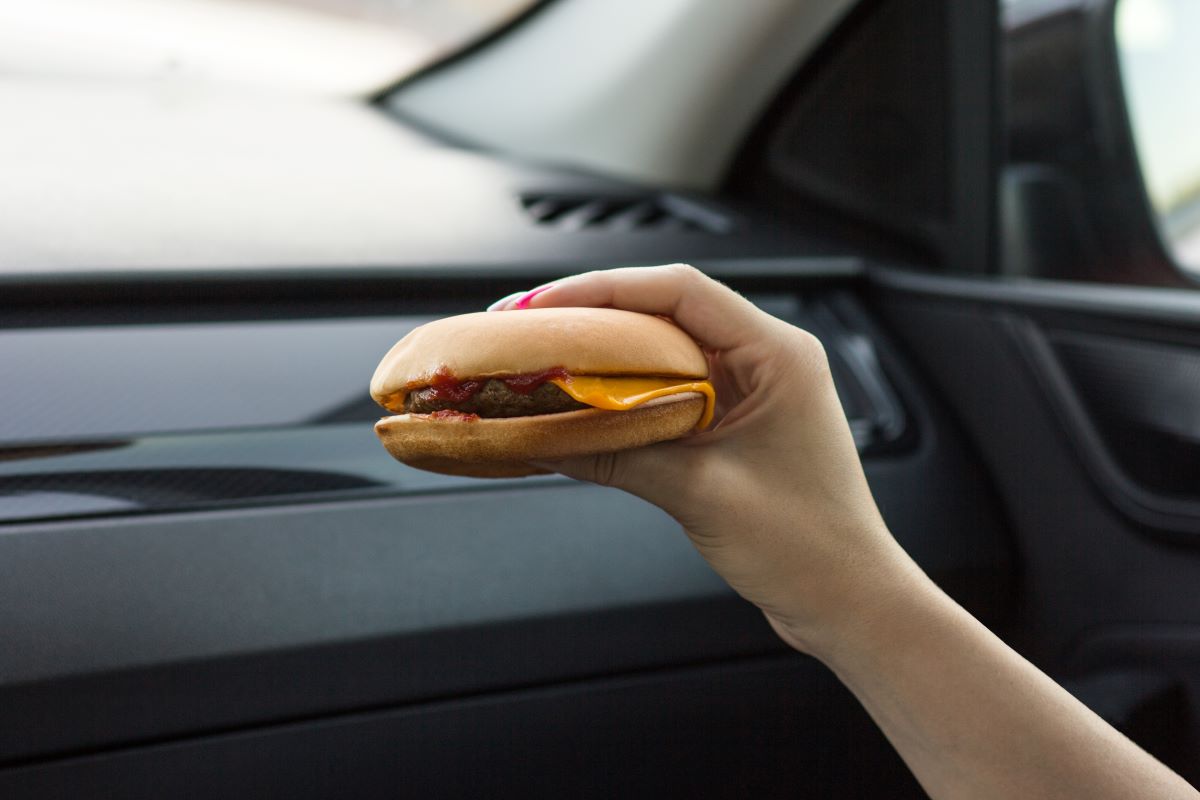
Greasy stains are perhaps the most frustrating because they spread easily and resist water-based cleaning methods. These often show up after eating fast food in the car or from sunscreen and body oils transferring to seats.
How to Remove Oil-Based Stains
-
Apply a solvent-based degreaser directly to the affected area.
-
Blot with a microfiber cloth, working from the outside of the stain inward.
-
Once the stain is gone, neutralize the cleaner with a pH-balancing rinse.
What to Avoid
-
Water-based cleaners – these just smear the oil around.
-
Skipping neutralization – leftover solvents can keep breaking down upholstery fibers, leading to resoiling, fiber damage, or sticky residues.
Neutralization is a step many DIYers miss, and it’s one of the main reasons oil-based stains reappear.
Stain Type #4: Dye Stains (Ink, Jean Transfer)
Dye stains are some of the toughest because they chemically bond with fabrics and leathers. Ink from a pen or dye transfer from jeans are the most common examples.
How to Remove Dye Stains
-
Use a dye remover such as Oxy Power.
-
Test it first on a hidden area of the fabric or leather.
-
Apply carefully and blot until the stain fades.
What to Avoid
-
Applying too much product without testing. Some dye removers can discolor fabrics or strip color from leather.
With dye stains, speed is everything. The longer you wait, the more likely the stain will set permanently.
Why DIY Isn’t Always the Best Option
While these methods can help you tackle car seat stains at home, there are risks. Using the wrong product can permanently damage upholstery, set stains deeper, or cause discoloration.
That’s why professional detailers emphasize stain identification before treatment. At Absolute Precision Custom Detailing, we use specialized products for each stain type, combined with the training to prevent permanent damage.
Professional Car Seat Stain Removal in Charlotte, NC
At Absolute Precision Custom Detailing, we bring mobile auto detailing right to your driveway in Charlotte and surrounding communities. Whether you’re dealing with stubborn stains, dirty carpets, or need full interior and exterior detailing, we deliver precision and perfection every time.
Our Services Include:
-
✅ Car seat stain removal & deep interior cleaning
-
✅ Full mobile auto detailing for cars, trucks & SUVs
-
✅ RV & boat detailing
-
✅ Ceramic coatings for long-lasting protection
📍 Serving Charlotte, NC, and nearby areas
📞 Call us: 704-654-2042
🌐 Book online: apcdetailingllc.com
Keep Your Car Looking Spotless
Car seat stains happen—it’s part of daily life. But with the right approach, you can prevent minor accidents from turning into permanent damage. Remember these key takeaways:
-
Always identify the stain before treating it.
-
Use the correct type of cleaner for tannin, protein, oil-based, or dye stains.
-
Avoid scrubbing, hot water, or the wrong products.
-
When in doubt, call a professional.
Don’t risk making it worse—let Absolute Precision Custom Detailing restore it right the first time. Your car deserves the best, and with expert stain removal, it will look and feel like new again.